
Case study — Social housing planned works
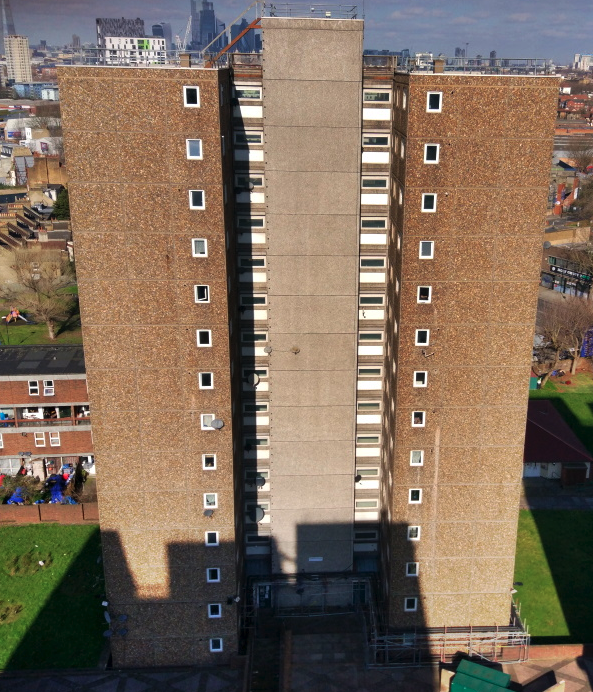
We delivered the decoration package on a planned housing upgrade programme for main contractor Mulalley, working across occupied homes and the communal areas of residential blocks.
Client
Mulalley
Location
London
Sector
Commercial
Scope
Occupied homes and communal
We were appointed by Mulalley to carry out the decoration package on a planned upgrade programme across council housing stock. The works covered internal decoration to occupied homes alongside communal stairwells, landings and entrance lobbies, together with external doors, frames, railings and metalwork.
Planned works in occupied social housing are a logistics job as much as a decorating one. Every property has a resident in it, an appointment that has to be kept and a home that has to be left clean and usable the same day. Getting through the volume depends on the access rate, and the access rate depends on how residents are treated.
Internal decoration to occupied homes
Communal stairwells, landings and lobbies
External doors, frames, railings and metalwork
Making good following upgrade works by other trades
Resident appointments, protection and daily clean-down
Specification on planned works is driven by durability and repaintability rather than appearance alone. Homes were finished in low-odour, quick-drying water-based systems so rooms could be handed back in use the same day, communal areas in scrubbable finishes able to take heavy traffic between cycles, and external doors, frames and railings in hard-wearing coatings suited to exposure and repeated cleaning.
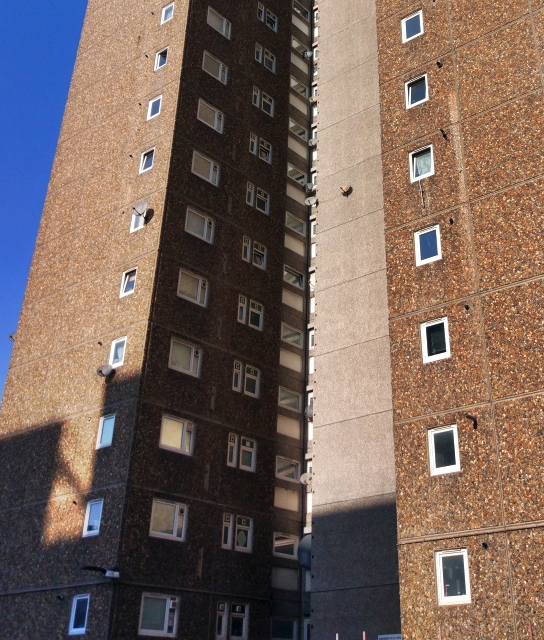
On planned works the programme is set by access, and access is earned. Every property has someone living in it.
Works were booked property by property and the appointments were kept. A missed slot is a lost day and a resident who is harder to get back, so the operative schedule was built around confirmed access rather than optimistic sequencing.
Furniture was protected and moved back, floors covered, and every home cleaned down and left usable at the end of each day rather than left mid-works overnight.
Operatives were DBS-checked, badged and briefed on working in homes with elderly and vulnerable residents, with low-odour materials used so people could remain in the property while we worked.
Stairwells and landings are the only route in and out. They were worked in sections with clear access maintained at all times and no wet finishes left across an escape route.
Public sector planned works are measured on social value as well as price. Labour was drawn locally where the workforce allowed and the programme supported apprentice placements, with waste segregated and diverted from landfill in line with our net carbon neutral commitment.
What local authorities, housing associations and principal contractors ask us before appointing a decorator on planned works.
Yes, at volume. Works are booked property by property, furniture is protected and moved back, floors are covered and every home is cleaned down and left usable at the end of the day rather than left mid-works overnight. Low-odour water-based systems mean residents can stay in the property while we work.
Yes. Operatives working in occupied homes are DBS-checked, badged, uniformed and briefed on working around elderly and vulnerable residents. They are directly employed rather than agency labour, which is what keeps standards consistent across a long programme.
The programme is built around confirmed access rather than optimistic sequencing, because a missed slot is a lost day and a resident who is harder to get back. No-access properties are logged, rebooked and reported weekly so the client can see the real access rate rather than a forecast.
Local labour where the workforce allows, apprentice placements through the programme, waste segregated and diverted from landfill, and we are a net carbon neutral business. We can report against your social value framework in whatever format the contract requires.
We are CHAS and SSIP accredited with a 100 per cent RIDDOR-free record across our sites, and hold the policies, insurances and method statements public sector prequalification requires. All of it is available for your PQQ or framework submission.
See the sectors we work in →Talk to the team that decorates occupied homes at volume.

GSD London Ltd
Company Number: 10543768
VAT Number: 261280131
Head Office
231 St John Street,
London EC1V 4NG


