
Lead Paint Removal, London
Controlled removal of lead-based paint from commercial and heritage buildings.
Controlled removal of lead-based paint from commercial and heritage buildings.


GSD London is a specialist commercial painting and decorating subcontractor working for main contractors, quantity surveyors, property managers and private clients across London. Our lead paint works cover controlled removal of lead-based paint from commercial and heritage buildings, with containment, monitoring and making good. CHAS, Constructionline Gold, ISO 9001, ISO 14001 and ISO 45001.
Lead paint removal is the controlled stripping of lead-based coatings from woodwork, metalwork and walls before a building is redecorated or refurbished. Lead was used in paint in the UK until the 1960s and in some products into the early 1990s, so pre-1970 buildings, including listed buildings, period schools and older housing, usually carry it under later coats. Disturbing it by sanding or burning releases lead dust and fume, which is why the work is regulated and has to be planned.
The package starts with testing, on site by swab or in a laboratory by sample, to confirm the presence and extent of lead. Removal then follows a method statement: containment of the working area, controlled removal by the approved method, dust and fume control, protective equipment and monitoring where the assessment calls for it, and bagging and disposal of the waste through a licensed route with consignment records. GSD London provides lead paint removal in London for commercial and heritage buildings, followed by making good and redecoration.
Lead paint is likely under the later coats on woodwork and metalwork. Sanding or burning off releases it, so it has to be tested and dealt with before preparation starts.
Old lead paint tends to alligator rather than flake. It is not proof, but it is the sign that a swab test is needed before anyone touches the surface.
Testing has come back positive. The work now needs a method statement, containment, controls and a licensed waste route before it can proceed.
Schools, nurseries, housing and healthcare. Where lead paint is deteriorating it is a hazard in place, not just during works, and removal is the safe option.
Restoration to bare timber on a listed building almost always means going through lead layers. The removal method has to protect both the operatives and the fabric.
Dust and debris from uncontrolled sanding or burning. The area has to be cleaned, tested for clearance and the remaining coating dealt with properly.

Coatings are tested, the extent is recorded and the removal method and containment are agreed.
The working area is sealed and set up, with access and welfare arrangements agreed with the site.
Coatings are removed by the approved method, with waste bagged and stored as work proceeds.
The area is cleared and monitored where required, made good and handed back with records.

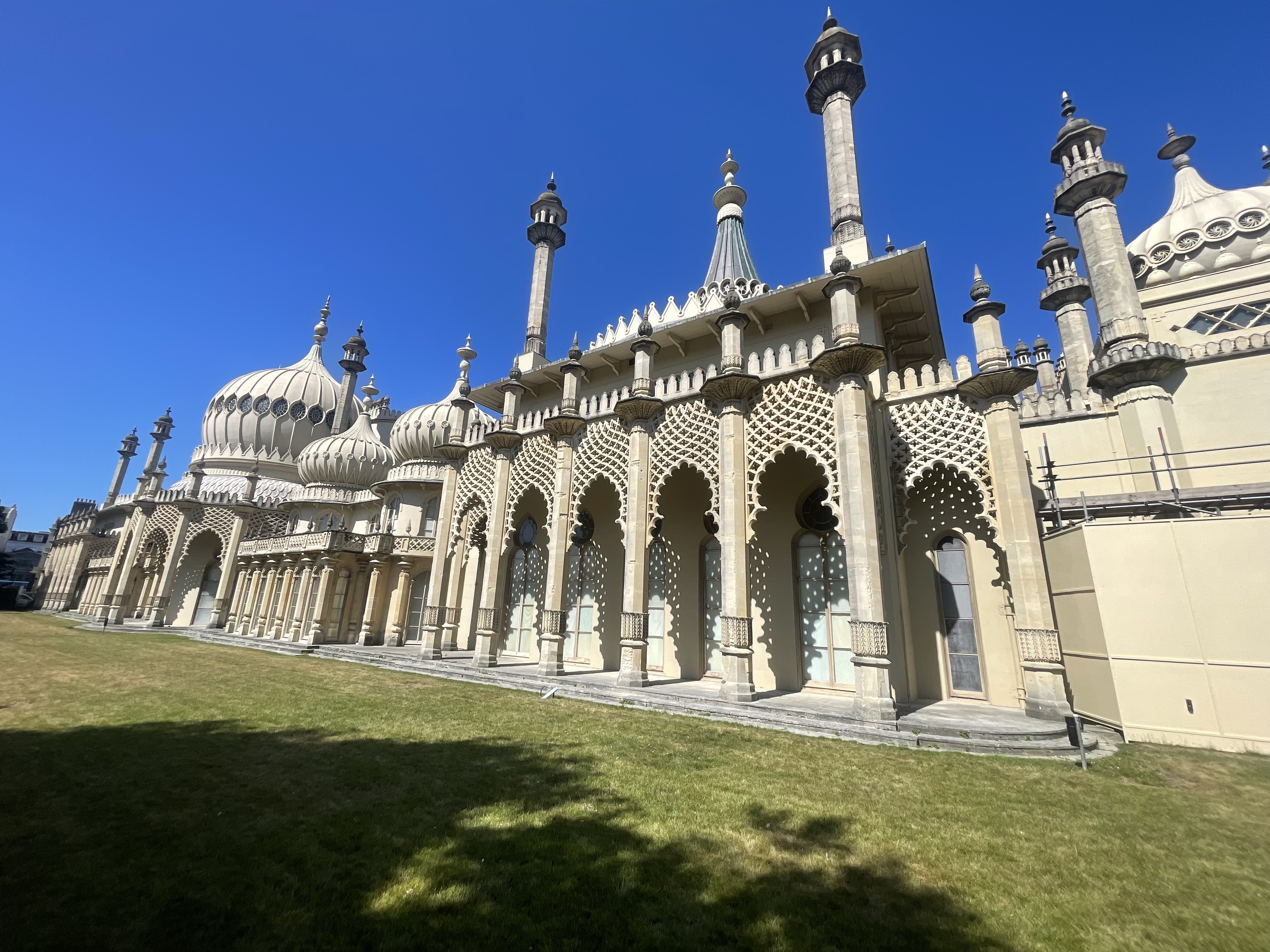
External redecoration, sash window overhaul and glazing repairs to a listed landmark.
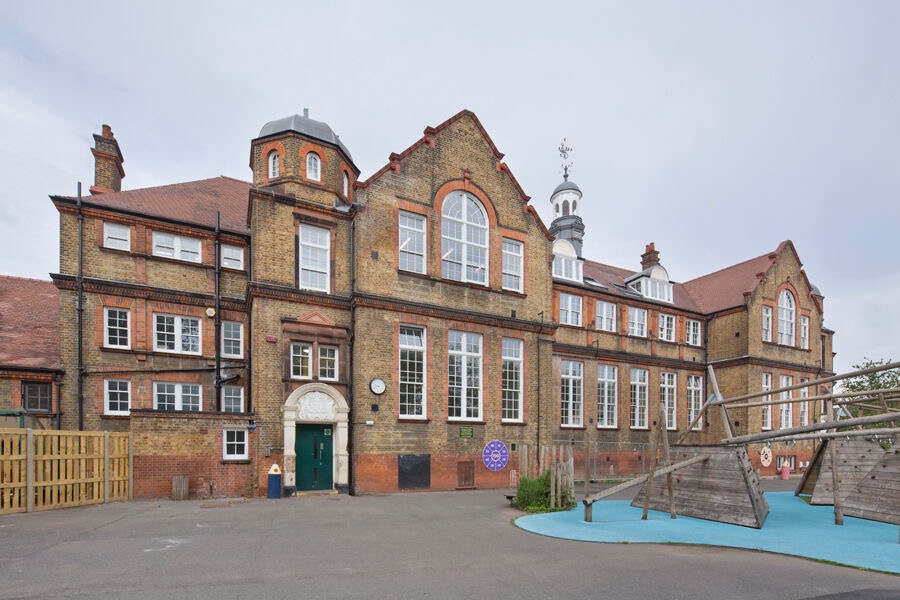
View projectWindow overhaul and heritage decoration to historic joinery.
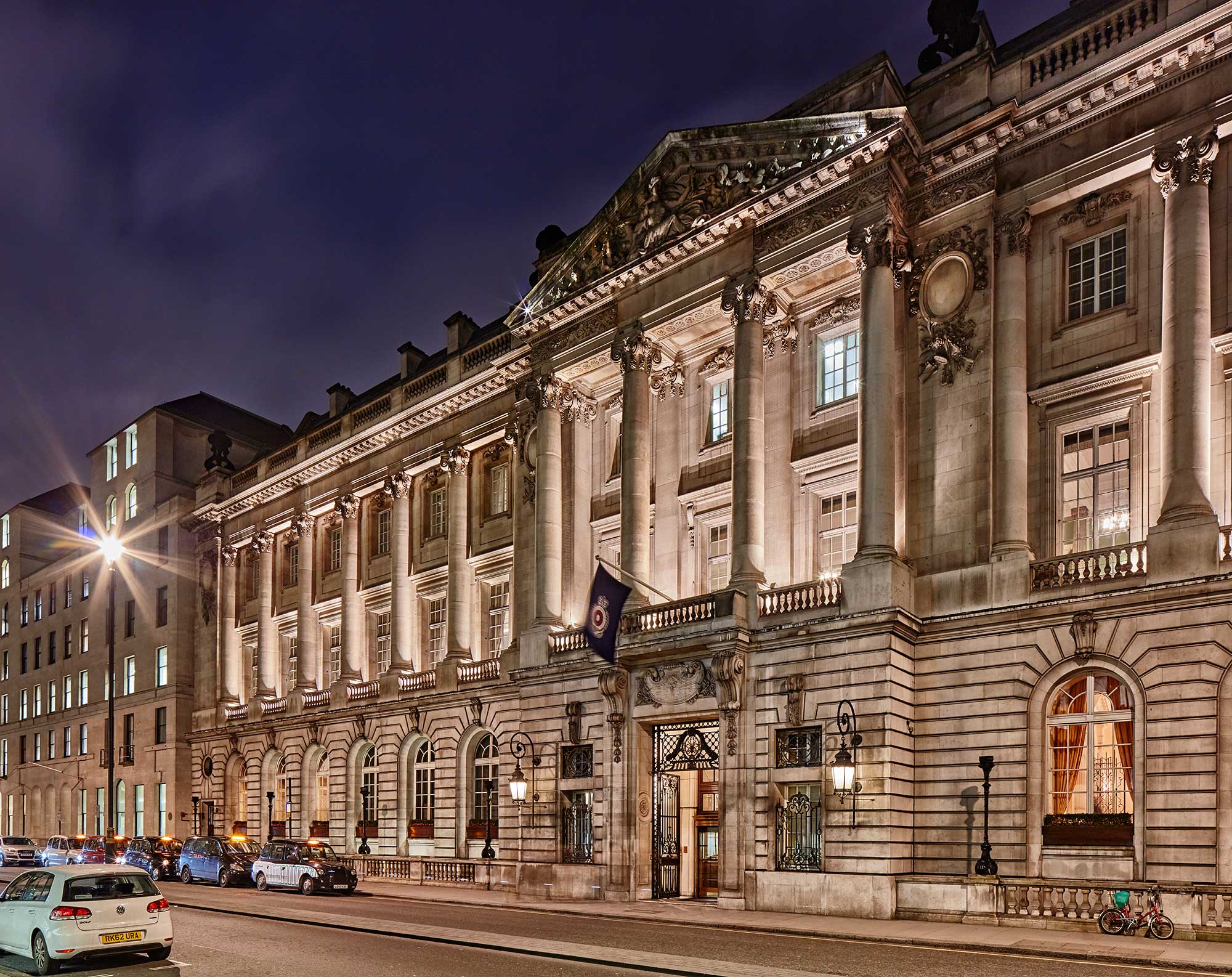
View projectInternal and external heritage decoration with a fire engineering upgrade.
View projectWe work as a subcontractor to the main contractor or for private clients. The order sits under JCT subcontract terms or individual contracts with clients. Site rules, access, welfare and the programme are set by the main contractor, and our works are planned around the sequence already agreed on site.
Coatings are tested before the works are priced, either on site or by sample analysis. The extent and location of lead-based coatings is recorded, and the removal method, containment and waste route are set out in the method statement issued for approval before work begins.
Pricing follows the drawings, the specification and the schedule of works issued with the enquiry. Where the scope is not yet fixed we price on a provisional basis and confirm it once the survey is complete. Variations are agreed in writing before the work is carried out.
Removed coatings and contaminated materials are bagged and stored within the containment, then taken off site under the site waste procedure to a licensed facility. Consignment records are issued as part of the handover pack, so the disposal route is documented.
Each area is inspected with the main contractor site team before the protection comes down. Snags are recorded and closed out in the same visit where possible. Handover records, warranties and product data sheets are issued together as part of the completion pack.
We take immense pride in our distinguished clientele, a testament to the unwavering quality and excellence that defines GSD London. From heritage to prestigious businesses, our reach spans across the vibrant tapestry of London.
Our extensive roster of high-profile clients reflects not only our commitment to delivering exceptional painting and decorating services but also our ability to meet the diverse needs of discerning individuals and esteemed establishments. We are honoured to have contributed to the aesthetic transformation of some of London's most iconic spaces, and we continue to uphold the highest standards, ensuring that each client's vision is realised with precision and sophistication.

GSD has undertaken numerous projects for Quinn over the past few years, including flagship projects for the V&A Museum and Warburg Institute both in the range of circa £300,000. Happy to recommend.

GSD completed the communal redecoration package valued at £100,000 at the Marriott Mayfair Grand Residencies, a 5* hotel. The project was completed in a tight 12-week program with GSD working with us to deliver it to a high standard. There were several hurdles to overcome throughout the job due to client changes, but each change was dealt with professionally by the project team from GSD. After the contract completion, the client praised the attention to detail provided by GSD and their outstanding work ethic in meeting the high expectations/time constraints of the project


.svg)


.png)


.png)


.png)


GSD London Ltd
Company Number: 10543768
VAT Number: 261280131
Head Office
231 St John Street,
London EC1V 4NG


